Your Phytoplankton food chain in the ocean images are ready. Phytoplankton food chain in the ocean are a topic that is being searched for and liked by netizens now. You can Download the Phytoplankton food chain in the ocean files here. Find and Download all free images.
If you’re searching for phytoplankton food chain in the ocean pictures information related to the phytoplankton food chain in the ocean interest, you have visit the right site. Our website always provides you with hints for viewing the highest quality video and picture content, please kindly surf and locate more informative video articles and images that fit your interests.
Phytoplankton Food Chain In The Ocean. These tiny plants and bacteria capture the sun�s energy and, through photosynthesis, convert nutrients and carbon dioxide into organic compounds. How baleen whales skip a few steps to get closer to the phytoplankton level; They use photosynthesis to convert energy from sunlight into chemical energy (food). Figure below shows a marine food chain.
 Without plankton there wouldn’t be polar bears on the ice From pinterest.com
The foundation of the sea�s food chain is largely invisible. Phytoplankton → herbivorous zooplankton → carnivorous zooplankton → filter feeder → predatory vertebrate Then zooplanktons are fed by fish larva and some small fishes. Hurricanes churn the ocean, bringing up nutrients like nitrogen, phosphate, and iron from the depths of the ocean and introducing them to the surface levels where plankton live. They use photosynthesis to convert energy from sunlight into chemical energy (food). Phytoplankton form the basis of life in the ocean.
Importance of phytoplankton the food web.
Phytoplankton are on the bottom of the aquatic food chain, so their nourishment and population growth are essential to other creatures from the small fish that eat them, to larger fish and eventually, humans. Phytoplankton affects the ecosystem of the entire earth in the sense that phytoplankton is at the very top level of the food chain. In fact, phytoplankton is their only main diet. Phytoplankton are on the bottom of the aquatic food chain, so their nourishment and population growth are essential to other creatures from the small fish that eat them, to larger fish and eventually, humans. Humans then feed on the fish. But they are in trouble.
 Source: pinterest.com
Are the producers of the ocean food chain. Phytoplankton is the base of several aquatic food webs. These small plants are very important to the ocean and to the whole planet! With this new technology we can now skip one step in the food chain and we are no longer strictly dependent on fish or fish oil. Importance of phytoplankton the food web.
 Source: pinterest.com
They consist of algae, bacteria, archaea, etc. Then zooplanktons are fed by fish larva and some small fishes. When zooplankton eats a phytoplankton, it also provides food to other marine animals. Phytoplankton affects the ecosystem of the entire earth in the sense that phytoplankton is at the very top level of the food chain. They form the basis of the marine food chain and provide half the ocean�s oxygen (while trees, shrubs, and grasses provide the other half).
 Source: pinterest.com
Phytoplankton, described as the �fuel� on which marine ecosystems run. The phytoplankton is the main producer of the ocean food chain. Phytoplankton are microscopic plants that live in the ocean. Phytoplankton is the base of several aquatic food webs. These small plants are very important to the ocean and to the whole planet!
 Source: pinterest.com
In fact, phytoplankton is their only main diet. Sometimes the diameter of the phytoplankton is more than 3 mm. They are linked to each other because those on top eat those below. Our friends the plankton that do photosynthesis and the animals that eat them; Ocean food chain ocean depth gado gado preschool age ocean themes book characters food chains science fish food.
 Source: pinterest.com
When zooplankton eats a phytoplankton, it also provides food to other marine animals. They are consumed by zooplankton and other fish as well. Also some types of algae, seaweed, unicellular plants, bacteria, etc. Small fish, crustaceans, and zooplankton are the next level up, and they feed on the phytoplankton. They are what is known as primary producers of the ocean—the organisms that form the base of the food chain.
 Source: pinterest.com
Phytoplankton is an important food source for many marine animals and thanks to recent photobioreactor technology now available for humans. Also some types of algae, seaweed, unicellular plants, bacteria, etc. In fact, phytoplankton is their only main diet. Tiny ocean plants dying microscopic plants in the ocean are among the most important creatures on earth and produce half of the planet�s oxygen. Phytoplankton are microscopic plants that live in the ocean.
Source: pinterest.com
They usually range in diameter from 0.06 mm to 3 mm. If phytoplankton cannot survive, they cannot support the other organisms that eat the phytoplankton and those organisms also die. Phytoplankton are the most important primary producers in the ocean. The foundation of the sea�s food chain is largely invisible. But they are in trouble.
 Source: pinterest.com
The food chain leading to the whales, for instance, starts with phytoplankton, then to zooplankton, and the zooplankton are eaten directly by the whales. These tiny plants and bacteria capture the sun�s energy and, through photosynthesis, convert nutrients and carbon dioxide into organic compounds. Photoautotrophs the bottom level of the ocean�s food chain is largely invisible. The foundation of the sea�s food chain is largely invisible. How baleen whales skip a few steps to get closer to the phytoplankton level;
 Source: pinterest.com
In a balanced ecosystem, they provide food for a wide range of sea creatures. In the ocean, a food chain typically starts with energy from the sun powering phytoplankton, and follows a course such as: Top ocean predators include large sharks, billfish, dolphins, toothed whales, and large seals. Phytoplankton are at the base of the food chain because these tiny microorganisms produce the first forms of food. Phytoplankton affects the ecosystem of the entire earth in the sense that phytoplankton is at the very top level of the food chain.
 Source: pinterest.com
Fish and whales eat phytoplankton for energy and then we eat. Humans then feed on the fish. This is actually not the end of the food chain. Energy pyramids and food chains on photosynthesis; Energy in plants and animals;
 Source: pinterest.com
Some food chains are very simple, involving only a few steps. They are eaten by primary consumers like zooplankton, small fish, and crustaceans. They form the basis of the marine food chain and provide half the ocean�s oxygen (while trees, shrubs, and grasses provide the other half). In the ocean, a food chain typically starts with energy from the sun powering phytoplankton, and follows a course such as: If phytoplankton cannot survive, they cannot support the other organisms that eat the phytoplankton and those organisms also die.
 Source: pinterest.com
These tiny plants and bacteria capture the sun�s energy and, through photosynthesis, convert nutrients and carbon dioxide into organic compounds. Phytoplankton form the base of the food chain. Phytoplankton form the basis of life in the ocean. Hurricanes churn the ocean, bringing up nutrients like nitrogen, phosphate, and iron from the depths of the ocean and introducing them to the surface levels where plankton live. The food chain�s weak link:
 Source: pinterest.com
Some food chains are very simple, involving only a few steps. These small plants are very important to the ocean and to the whole planet! Fish and whales eat phytoplankton for energy and then we eat. In the ocean, a food chain typically starts with energy from the sun powering phytoplankton, and follows a course such as: Phytoplankton are microscopic plants that live in the ocean.
 Source: pinterest.com
The phytoplankton is the main producer of the ocean food chain. Many small fish and whales eat them. They are a major food source for the larger animals. They use sunlight and nutrients to make food by photosynthesis. Ocean food chain ocean depth gado gado preschool age ocean themes book characters food chains science fish food.
 Source: pinterest.com
Humans then feed on the fish. Figure below shows a marine food chain. Phytoplankton → herbivorous zooplankton → carnivorous zooplankton → filter feeder → predatory vertebrate Small fish, crustaceans, and zooplankton are the next level up, and they feed on the phytoplankton. Our friends the plankton that do photosynthesis and the animals that eat them;
 Source: pinterest.com
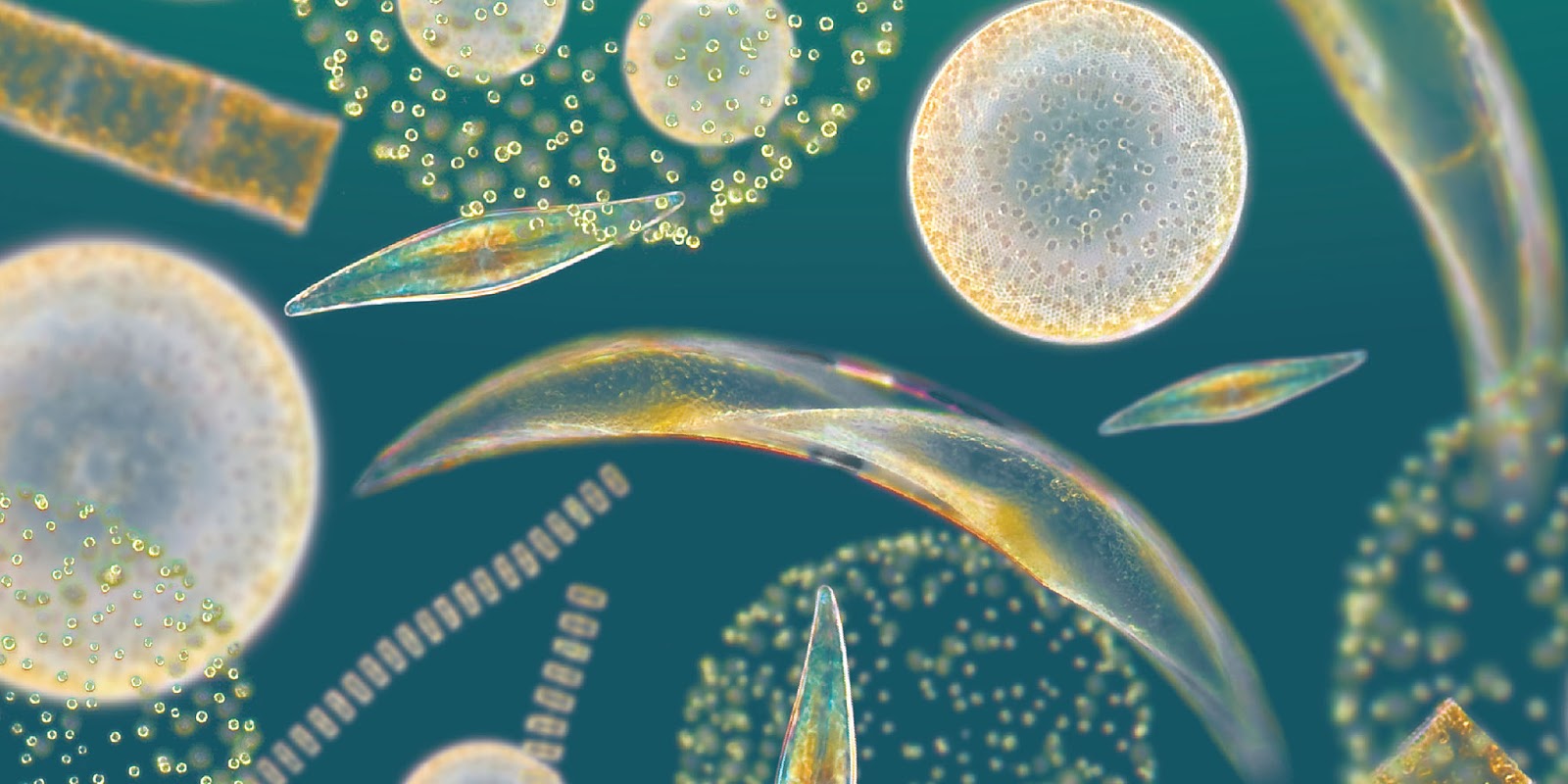
Phytoplankton are the most important primary producers in the ocean. The name comes from the greek words φυτόν ( phyton ), meaning plant , and πλαγκτός ( planktos ), meaning wanderer or drifter. They are eaten by primary consumers like zooplankton, small fish, and crustaceans. This is actually not the end of the food chain. How baleen whales skip a few steps to get closer to the phytoplankton level;
 Source: pinterest.com
The food chain�s weak link: Energy pyramids and food chains on photosynthesis; A food web is a system of interconnected food chains. Small fish, crustaceans, and zooplankton are the next level up, and they feed on the phytoplankton. Also some types of algae, seaweed, unicellular plants, bacteria, etc.
 Source: pinterest.com
Phytoplankton affects the ecosystem of the entire earth in the sense that phytoplankton is at the very top level of the food chain. Food chains starting with photosynthesis; When zooplankton eats a phytoplankton, it also provides food to other marine animals. The phytoplankton is the main producer of the ocean food chain. Phytoplankton form the basis of life in the ocean.
This site is an open community for users to share their favorite wallpapers on the internet, all images or pictures in this website are for personal wallpaper use only, it is stricly prohibited to use this wallpaper for commercial purposes, if you are the author and find this image is shared without your permission, please kindly raise a DMCA report to Us.
If you find this site good, please support us by sharing this posts to your favorite social media accounts like Facebook, Instagram and so on or you can also bookmark this blog page with the title phytoplankton food chain in the ocean by using Ctrl + D for devices a laptop with a Windows operating system or Command + D for laptops with an Apple operating system. If you use a smartphone, you can also use the drawer menu of the browser you are using. Whether it’s a Windows, Mac, iOS or Android operating system, you will still be able to bookmark this website.


