Your Alpine tundra animals food web images are available in this site. Alpine tundra animals food web are a topic that is being searched for and liked by netizens now. You can Find and Download the Alpine tundra animals food web files here. Find and Download all free photos and vectors.
If you’re searching for alpine tundra animals food web images information connected with to the alpine tundra animals food web interest, you have pay a visit to the ideal blog. Our website frequently provides you with suggestions for downloading the maximum quality video and image content, please kindly hunt and locate more enlightening video content and graphics that fit your interests.
Alpine Tundra Animals Food Web. Hart merriam did in the late 1800’s. The growing season is approximately 180 days. This would cause mass troubles across many species in the tundra. This is an important relationship because if the falcons did not keep the shrew population in check the shrews would eat all the grass the deer and hares also eat.
 Osborn Caribou September, Level Mountain, British From pinterest.com
Few alpine animals, however, contributed directly to the evolution of arctic tundra species, because physical barriers prevented the migration of species and because alpine and arctic animals were specialized to their. People also love these ideas A food web of the alpine tundra biome. Similar animals that live in the alpine include elk, reindeer, and moose here is an example of a carnivore/higher trophic level organism in the alpine tundra. These biomes are found in mountainous regions across the globe. Alpine tundra is very cold with summer temperatures on average below 10 °c.
These alpine tundra animals are undoubtedly cute looking.
These alpine tundra animals are undoubtedly cute looking. The high elevation causes an adverse climate, which is too cold and windy to support tree growth. People also love these ideas When the spring thaw bursts forth, a simple tundra food web quickly begins production. A food web of the alpine tundra biome. Some dwarf trees like birch and alder grow in tundras.
 Source: pinterest.com
Bighorn sheep, wapiti, mule deer are in the middle of the food chain. A few of the common north american animals if the alpine tundra are marmots, mountain goats, bighorn sheep, and pika. Bighorn sheep, wapiti, mule deer are in the middle of the food chain. Alpine biome food web by amanda alpine biome bacteria andean condor mountain lion weasels tundra wolves red fox andean flamingoes chinchillas llamas/alpacas caribou grass algae to build a food web, you must research the biome, prey, and predators. Photo used under creative commons from daveynin.
 Source: pinterest.com
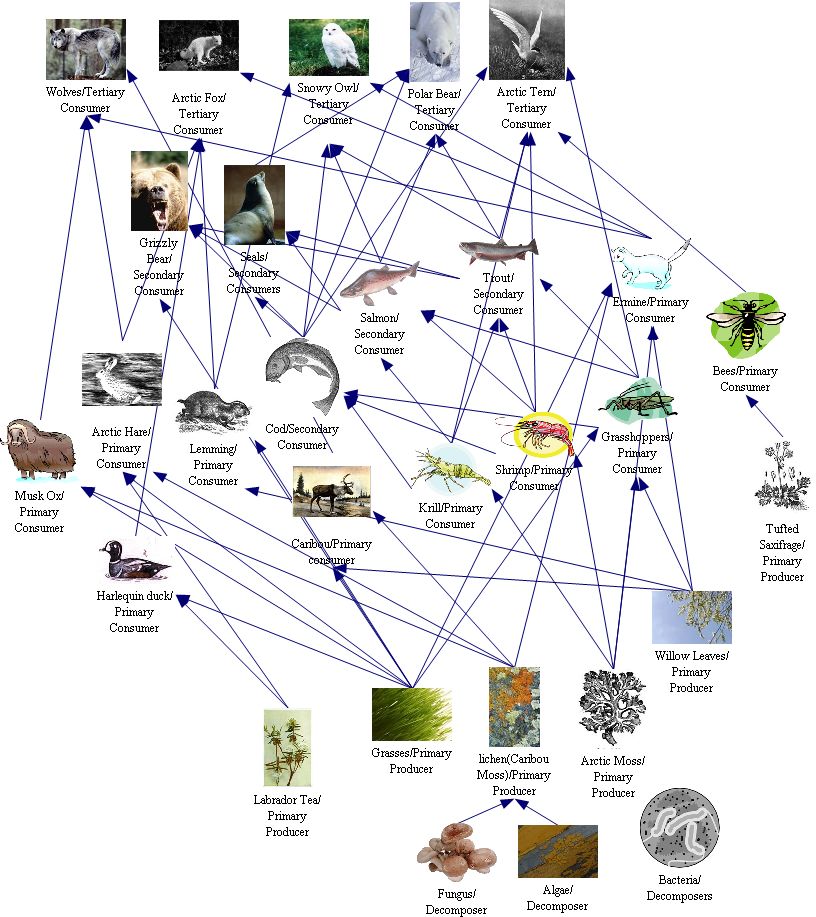
The alpine food chain consumer (pantherna unica) a consumer is a organism that absorbs energy by eating plants/animals. These biomes are found in mountainous regions across the globe. Omnivores and carnivores (secondary consumers) such as arctic foxes, brown bears, arctic wolves, and snowy owls top the web. Marmots are large squirrels that are found in the alpine tundra zones of mountain ranges in europe, asia, and north america. The grizzly bear, shown left, regulates and maintains the food chain.
 Source: pinterest.com
Powered by create your own unique website with customizable templates. Animals handle the cold of the tundra many different ways. Rocky countryside of the alpine tundra. A few of the common north american animals if the alpine tundra are marmots, mountain goats, bighorn sheep, and pika. The growing season is approximately 180 days.
 Source: pinterest.com
The grizzly bear, shown left, regulates and maintains the food chain. The apline tundra biome is found in the mountainous regions of the world, at an altitude of 11,000 ft and above. This is exactly what c. For example, marmots are found in the carpathians, apennines, and pyrenees in eurasia, in the deosai plateau of ladakh in india, and also in the rockies, sierra. A food web of the alpine tundra biome.
 Source: pinterest.com
The majority of the animals in this specific biome are goats, caribou, marmots, elks and pikas. This is exactly what c. A food web provides a fuller and more realistic picture of how energy moves through a biome, because it indicates multiple connections, overlaps and relationships. Then add pictures with the name Alpine tundra is a type of natural region or biome that does not contain trees because it is at high elevation.as the latitude of a location approaches the poles, the threshold elevation for alpine tundra gets lower until it reaches sea level, and alpine tundra merges with polar tundra.
 Source: pinterest.com
Atop the food chain are tundra carnivores, such as arctic foxes (vulpes lagopus), arctic wolves (canis lupus), snowy owls (bubo scandiaca), and polar bears (ursus maritimus), which move into the tundra during the summer when prey is plentiful and their usual hunting grounds on sea ice diminish. A food web provides a fuller and more realistic picture of how energy moves through a biome, because it indicates multiple connections, overlaps and relationships. Plants include mosses, lichens and poor grasses. Alpine biome food web by amanda alpine biome bacteria andean condor mountain lion weasels tundra wolves red fox andean flamingoes chinchillas llamas/alpacas caribou grass algae to build a food web, you must research the biome, prey, and predators. This is exactly what c.
 Source: pinterest.com
These alpine tundra animals are undoubtedly cute looking. Chipmunk, jack rabbit, deer mouse, pocket gopher, marmot, and pika are at the lowest level of the food chain. Example of tundra food chain. The food chain in the arctic tundra consists of predators such as owls, foxes, wolves, and polar bears at the top of the chain. Atop the food chain are tundra carnivores, such as arctic foxes (vulpes lagopus), arctic wolves (canis lupus), snowy owls (bubo scandiaca), and polar bears (ursus maritimus), which move into the tundra during the summer when prey is plentiful and their usual hunting grounds on sea ice diminish.
 Source: pinterest.com
The start of any food web is sunshine and for many months of the year there is little to no sun shining on the tundra, which becomes a frozen desert. Image result for alpine tundra graphics. Powered by create your own unique website with customizable templates. When the spring thaw bursts forth, a simple tundra food web quickly begins production. Gulo, marten, grizzly bear, badger, red fox, coyote, and bobcat are at the top of the food chain.
 Source: pinterest.com
When the spring thaw bursts forth, a simple tundra food web quickly begins production. The grizzly bear, shown left, regulates and maintains the food chain. Within the arctic tundra there are herds of reindeer, polar bears, foxes, wolves, migrating birds, and rabbits. Few alpine animals, however, contributed directly to the evolution of arctic tundra species, because physical barriers prevented the migration of species and because alpine and arctic animals were specialized to their. Alpine tundra, the type found in rmnp, occurs at high elevations where temperatures are colder, winters are longer, and growing seasons are shorter.
 Source: pinterest.com
Animals living in the alpine tundra are also well. A food web of the alpine tundra biome. Plants are devoured by herbivores and carnivores eat the animals that have eaten the plants. A food web provides a fuller and more realistic picture of how energy moves through a biome, because it indicates multiple connections, overlaps and relationships. A few of the common north american animals if the alpine tundra are marmots, mountain goats, bighorn sheep, and pika.
 Source: pinterest.com
Click to see more alpine tundra animals. The high elevation causes an adverse climate, which is too cold and windy to support tree growth. Powered by create your own unique website with customizable templates. Other alpine carnivores include arctic wolves, birds of prey (such as the. This is an important relationship because if the falcons did not keep the shrew population in check the shrews would eat all the grass the deer and hares also eat.
 Source: pinterest.com
The high elevation causes an adverse climate, which is too cold and windy to support tree growth. Within the arctic tundra there are herds of reindeer, polar bears, foxes, wolves, migrating birds, and rabbits. When the spring thaw bursts forth, a simple tundra food web quickly begins production. Rocky countryside of the alpine tundra. Plants include mosses, lichens and poor grasses.
Source: pinterest.com
The grizzly bear, shown left, regulates and maintains the food chain. In these parts of the world, food scarcity prompts animals to migrate downhill in the search of food, and therefore, very few species are found here all year round. Hart merriam did in the late 1800’s. Abiotic factors of the alpine / description similar to the arctic, the alpine is very windy and cold in temperature. Photo used under creative commons from daveynin.
 Source: pinterest.com
A generalized food web for the arctic tundra begins with the various plant species (producers). A few of the common north american animals if the alpine tundra are marmots, mountain goats, bighorn sheep, and pika. A food web of the alpine tundra biome. Animals living in the alpine tundra are also well. Atop the food chain are tundra carnivores, such as arctic foxes (vulpes lagopus), arctic wolves (canis lupus), snowy owls (bubo scandiaca), and polar bears (ursus maritimus), which move into the tundra during the summer when prey is plentiful and their usual hunting grounds on sea ice diminish.
 Source: pinterest.com
There are many animals living and adapting to their environment everyday due to climate, plants, landforms, and other animals that they can eat or that might eat them. Because animals of the tundra are generally migratory, this biome�s population is constantly changing. A generalized food web for the arctic tundra begins with the various plant species (producers). The grizzly bear, shown left, regulates and maintains the food chain. Alpine biome food web by amanda alpine biome bacteria andean condor mountain lion weasels tundra wolves red fox andean flamingoes chinchillas llamas/alpacas caribou grass algae to build a food web, you must research the biome, prey, and predators.
 Source: pinterest.com
Other native tundra animals include the caribou, grizzly bear, harlequin duck, musk ox, polar bear, and the snowy owl. Alpine tundra, the type found in rmnp, occurs at high elevations where temperatures are colder, winters are longer, and growing seasons are shorter. A consumer is the ecology of the tundra is defined by the range of species at all levels, forming food chain. The growing season is approximately 180 days. Because animals of the tundra are generally migratory, this biome�s population is constantly changing.
This site is an open community for users to share their favorite wallpapers on the internet, all images or pictures in this website are for personal wallpaper use only, it is stricly prohibited to use this wallpaper for commercial purposes, if you are the author and find this image is shared without your permission, please kindly raise a DMCA report to Us.
If you find this site value, please support us by sharing this posts to your preference social media accounts like Facebook, Instagram and so on or you can also save this blog page with the title alpine tundra animals food web by using Ctrl + D for devices a laptop with a Windows operating system or Command + D for laptops with an Apple operating system. If you use a smartphone, you can also use the drawer menu of the browser you are using. Whether it’s a Windows, Mac, iOS or Android operating system, you will still be able to bookmark this website.


